
Have you ever had your car break down, and you had no idea what went wrong? Karachi’s intense heat, heavy traffic, and long waiting hours can turn a small auto repair car issue into a stressful situation very fast. So, we are writing this blog to ensure you don’t panic when warning lights appear or the engine starts acting up.
Also, knowing a few emergency auto repair tips can save time, reduce damage, and keep you safe. This guide is made for drivers who want practical advice to handle sudden car problems until professional help arrives.
Why Emergency Auto Repair Knowledge Matters in Karachi
Driving in Karachi means dealing with long traffic jams, constant stop-and-go movement, and engines running while cars barely move. These idle hours put extra pressure on engines, cooling systems, and batteries, especially during peak heat. Many cars overheat simply because the airflow drops in traffic. Batteries also drain faster when air conditioning, lights, and fans stay on for long periods. Without basic emergency knowledge, you often shut the engine off too late or keep driving when you should stop.
Moreover, roadside help does not reach every area quickly, and breakdowns on busy roads create real safety risks. Standing beside a stalled car in fast-moving traffic puts drivers and passengers in danger. But knowing what to check, when to stop driving, and how to handle warning signs helps you stay calm and avoid costly damage. Emergency auto repair knowledge gives you control in stressful moments until professional help arrives.
Most Common Emergency Vehicle Problems Need Quick Auto Repair
Engine overheating in traffic
In Karachi traffic, engines overheat because cars stay stuck with the air conditioner running and little airflow through the radiator. Temperature gauges climb fast, especially during midday heat. But if you keep moving to escape traffic, it makes the problem worse. Conversely, pulling over early, turning off the engine, and letting it cool can prevent serious engine damage.
Dead battery or battery warning light
Batteries fail quickly in high heat, and long idle times drain them even more. You may notice slow cranking, dim lights, or a battery warning light on the dashboard. In busy areas, a dead battery can leave you blocking traffic. However, knowing how to switch off unnecessary electrical loads helps extend battery life until help arrives.
Flat tire on busy roads
Sharp debris, broken pavement, and uneven roads cause sudden tire damage across Karachi. A flat tire on a busy road creates panic and safety risks. Driving even a short distance on a flat tire can also ruin the rim. But stopping at a safe spot and using hazard lights protects you and reduces auto repair costs.
Brake issues or warning signs
Brake warning lights, grinding sounds, or a soft brake pedal demand immediate attention. In stop-and-go traffic, weak brakes reduce reaction time and increase accident risk. On the other hand, ignoring early signs often leads to complete brake failure. Reducing speed and avoiding sudden braking helps you reach a safe place.
Sudden oil or coolant leakage
Leaks often appear after long drives in the heat or during slow traffic movement. You may smell burning oil or see steam from the hood. Continuing to drive with low oil or coolant can also damage the engine. So, turning off the engine quickly and checking fluid levels can prevent permanent damage.
Quick Research
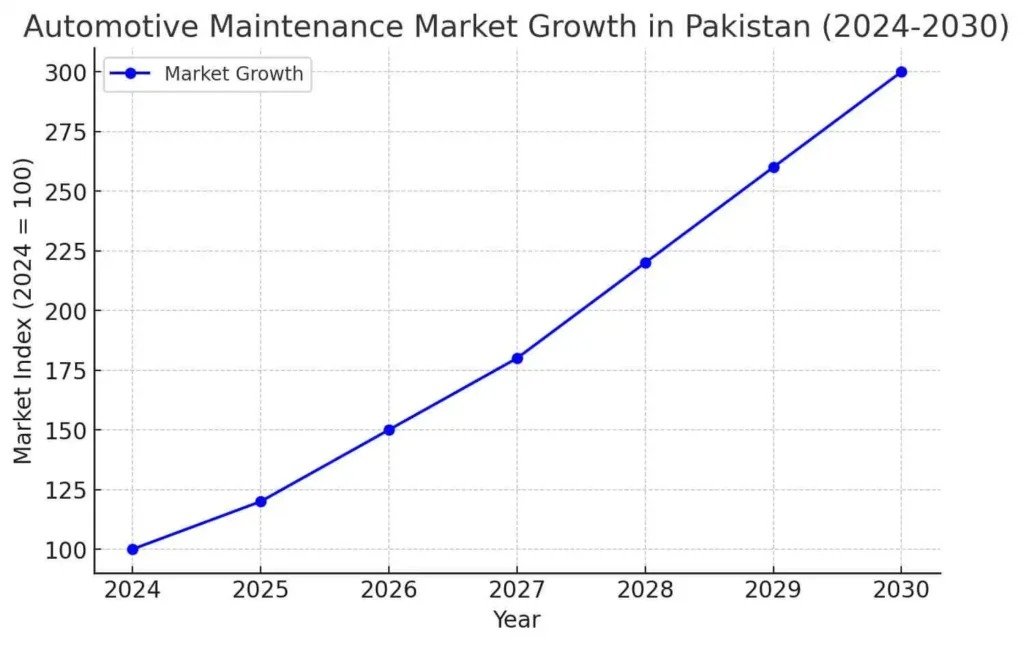
Do you know? Awareness of car engine maintenance tips continues to grow as more vehicles hit the roads in Pakistan. The automotive maintenance market shows steady growth from 2024 to 2030, which reflects how drivers now take engine care more seriously. This shift means fewer sudden breakdowns and better preparedness during emergencies, especially in high-traffic cities like Karachi.
Immediate Safety Tips Before Beginning Auto Repair
- Move your car toward the left side and away from moving traffic as soon as you notice trouble.
- Turn on hazard lights immediately so other drivers spot you early in dense traffic.
- Keep passengers inside the car with seat belts fastened if traffic moves fast nearby.
- Also, avoid standing between lanes, especially on main roads and flyovers.
- Let the engine cool fully before opening the hood; heat builds fast in Karachi weather.
- Place a warning triangle or reflective object behind the car if you have one.
- Keep your tool kit, jumper cables, and flashlight easy to reach, not buried in the trunk.
Emergency Auto Repair Tips Every Driver Should Know
What to do if your car overheats
When the temperature gauge rises in Karachi traffic, pull over as soon as you find space. Turn off the engine and open the hood only after the heat drops. Running the engine longer to escape traffic often causes serious damage. Also, switching off the air conditioner early helps control heat before it reaches a dangerous level.
How to handle a dead battery situation
If the car refuses to start or shows a battery warning light, turn off the lights, AC, and audio to save the remaining charge. Avoid repeated ignition attempts because they drain the battery faster. However, if you have jumper cables nearby, wait for a safe moment to jump-start. Pushing the car in traffic puts you at risk.
Temporary fixes for minor leaks
Small oil or coolant leaks sometimes allow short movement to a safer spot. Check fluid levels only after the engine cools. Adding water to the radiator can help in emergencies, but drive only a short distance. So, never open the radiator cap while hot because pressure can cause burns.
When not to drive and call a mechanic immediately
Stop driving if warning lights flash, brakes feel weak, or smoke comes from the hood. Continuing to drive often turns a minor fault into a major repair. If steering feels heavy or the engine makes loud knocking sounds, shut the car off. Additionally, calling a mechanic early protects your safety and saves repair costs.
Tools You Should Keep in Your Car
Jumper cables
A weak battery can leave you stuck in traffic or outside your home at the worst time. Jumper cables help you restart the car quickly without waiting hours for help. Moreover, choose thick, good-quality cables and keep them within easy reach. In crowded areas, quick jump starts reduce traffic stress and safety risks.
Basic auto repair tool kit
A small tool kit helps you tighten loose battery terminals, remove engine covers, or secure hanging parts. Screwdrivers, pliers, and a wrench handle many minor roadside issues. Also, keeping tools ready saves time and prevents panic when something small causes a big disturbance in traffic.
Coolant and engine oil
Low coolant or oil often triggers warning lights during long idle hours. Carrying extra fluids allows you to stabilize the engine until proper repairs happen. Always top up only after the engine cools. This simple step can also prevent overheating and engine damage.
Tire inflator or spare tire
Flat tires happen often due to rough roads and debris. A portable inflator helps you move to a safer location instead of changing tires in traffic. However, a spare tire remains essential for severe punctures. Both options protect you from standing on busy roads for long periods.
How Auto N Bolt Helps During Emergencies
When your car stops working at the worst time, quick and reliable help matters. Auto N Bolt connects you with on-demand mechanics across Karachi, so you don’t stay stuck in traffic or unsafe areas. From mechanical faults to full auto repair services, many issues get fixed on the spot without towing. Also, faster response means less waiting, less stress, and less damage. Save the contact now and reach out the moment trouble starts, because emergencies never come with a warning.
Conclusion
Above all, emergencies on the road never give advance notice, especially in Karachi’s heat and traffic. Staying calm, spotting warning signs early, and taking the right safety steps can prevent small issues from turning into major damage. Also, simple habits like pulling over early, switching off unnecessary loads, and keeping basic tools in your car make a real difference. Always know when to stop driving and call a professional instead of pushing your luck. But stay prepared, save the Auto N Bolt contact in your phone, and protect yourself before the next emergency tests your auto repair.
Frequently Asked Questions
Q1: How do I know if my brakes are failing?
Failing brakes usually show early warning signs. You may hear grinding or squealing sounds, feel vibrations while braking, or notice that the brake pedal feels soft or sinks lower than usual. Moreover, warning lights on the dashboard indicate problems. If the stopping distance increases or the car pulls to one side, stop driving and get the brakes checked immediately.
Q2: What questions should I ask before a repair?
Before any auto repair, ask what caused the problem and if it needs immediate fixing. Confirm the total cost, parts involved, and labor time. Ask about the warranty on parts and service. Also, check if the repair affects other components. Clear questions help you avoid unnecessary work and ensure transparency before approving repairs.
Q3: How often should I change my oil?
Most cars need an oil change every 5,000 to 8,000 kilometers, depending on oil type and driving conditions. Karachi traffic puts extra strain on engines due to long idle hours. But if you drive daily in congestion, change oil sooner. Always follow manufacturer guidelines and check oil color and level regularly.
Q4: How do I know if my brakes are failing?
You may notice squealing noises, vibrations, or reduced braking power. The brake pedal may feel hard, soft, or unresponsive. Warning lights can also appear. Burning smells after driving in traffic indicate overheated brakes. If any of these signs appear, stop driving and get a professional inspection to avoid accidents.

